
How HVAC Contractors Inspect Supply and Return Air Ducts
페이지 정보
본문
Heating and cooling equipment depends on appropriate airflow.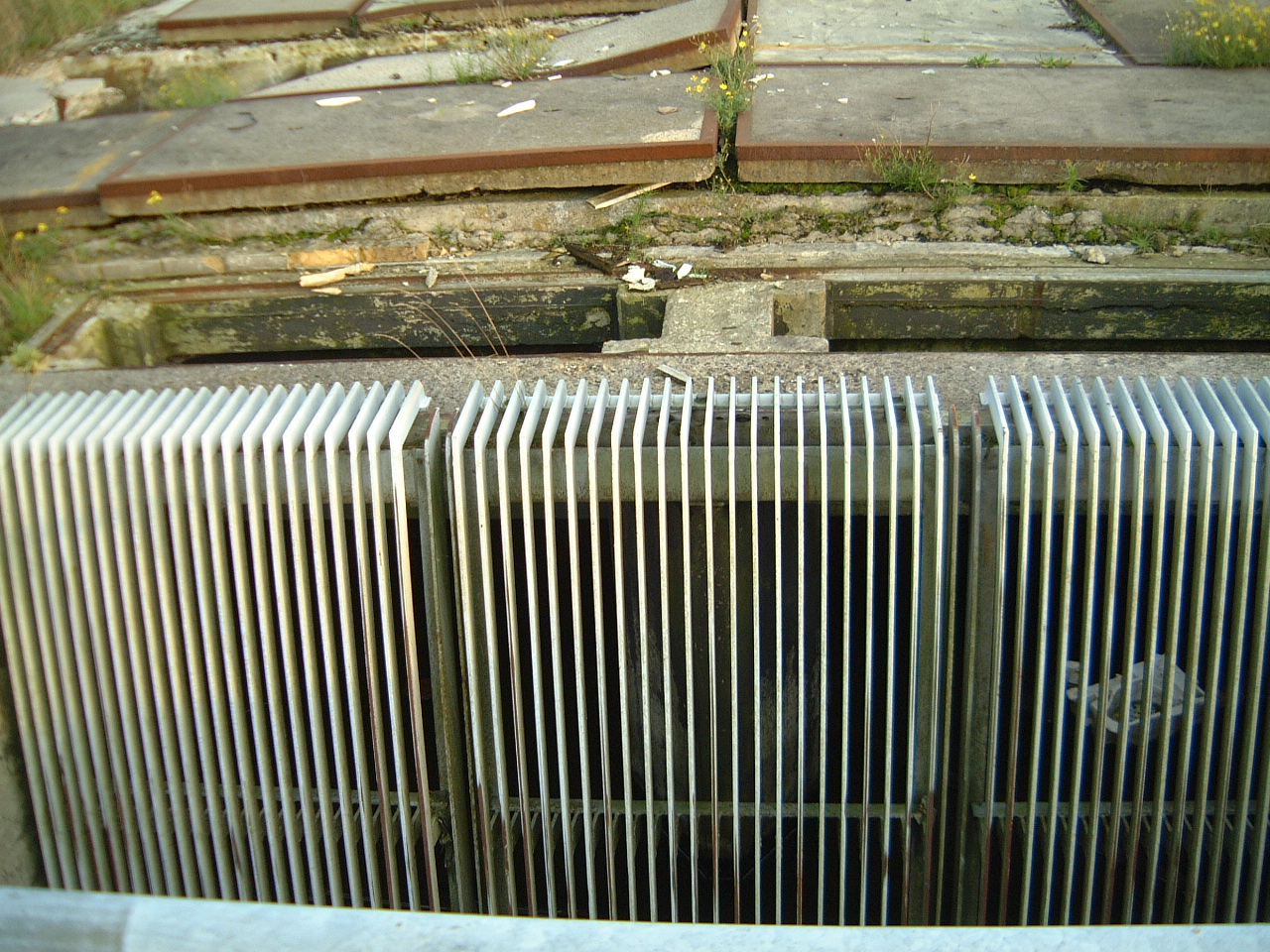 Professional inspection helps identify suitable maintenance needs.
 Air Docs Heating & Cooling focuses on residential HVAC services and air duct cleaning. Both have important roles in circulation. Registers and grilles provide access to airflow openings. Contractors should evaluate actual conditions. Visible dust does not automatically indicate a serious duct problem. Air leaks may introduce dust from unconditioned spaces. A ductwork inspection can help clarify the issue. Contractors can use collection devices and agitation tools. Other HVAC components may need separate attention. Service descriptions should specify included components. Not every home requires routine duct cleaning. Substantial visible contamination can warrant investigation. Cleaning alone cannot prevent future contamination. Air filters are another maintenance consideration. Improper filter selection can affect operation. Filter dimensions must suit the system. Restricted filters or duct damage can influence distribution. Duct leakage can reduce effective airflow. Cleaning should not replace necessary repairs. Seasonal HVAC maintenance supports equipment awareness. Cooling equipment can require drainage checks. Service practices should respect applicable requirements. Indoor air quality depends on several factors. Moisture control may be important. Claims about health improvements should be supported by evidence. Insurance and licensing requirements may apply. Before-and-after documentation may be useful. Air Docs Heating & Cooling provides HVAC and duct cleaning service options. Whether addressing dusty registers or scheduling heating and cooling service, inspection findings matter.
- 이전글비아몰 비아그라 기본 정보 이용 가이드 , 이용 정보 안내 26.11.10
- 다음글데일리 명품 코디를 완성하는 고해상도 QC 기반 레플리카 쇼핑 26.11.10