
Guide To Upvc Soffit: The Intermediate Guide On Upvc Soffit
페이지 정보
본문
Understanding UPVC Soffits: A Comprehensive Guide
When it concerns home building and construction and restoration, homeowners frequently concentrate on visible areas such as doors, windows, and siding, while the components that lie above them-- like soffits-- are often neglected. Soffits play a necessary role in both visual appeals and performance of a home's outside. In the last few years, UPVC (Unplasticized Polyvinyl Chloride) soffits have actually acquired popularity as an option for numerous property owners and home builders alike. This post explores what UPVC soffits are, their advantages, installation, and maintenance, offering an extensive understanding of this often-neglected element of home style.
What are Soffits?
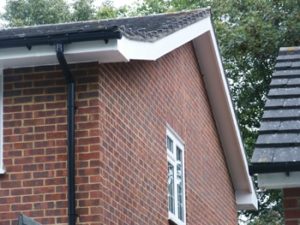
Soffits are the horizontal surface areas that connect the roofing system overhang to the exterior wall of a home. They are typically located underneath the Eaves Replacement, providing a finished appearance while also serving useful purposes, such as ventilation and moisture control.
Comprehending UPVC Soffits
UPVC soffits are made from a type of plastic that has actually been particularly developed for sturdiness and weather condition resistance. Unlike standard wooden soffits, which are susceptible to rot, warping, Fascia And Soffit Company bug damage, UPVC provides a robust option for homeowners searching for lasting, low-maintenance products.
| Contrast Table: UPVC vs. Traditional Materials |
|---|
| Particular |
| Sturdiness |
| Maintenance |
| Expense |
| Resistance to Moisture |
| Bug Resistance |
| Installation Difficulty |
Advantages of UPVC Soffits
Durability: UPVC is extremely resistant to chemicals, wetness, and UV rays, making it an ideal choice for different weather.
Low Maintenance: Unlike wood, which may need routine painting or sealing to avoid rot, UPVC soffits can be quickly cleaned up with a damp fabric and do not need repainting.
Visual Variety: UPVC soffits can be found in different colors and finishes, permitting property owners to achieve the desired try to find their home. They can likewise be made to simulate wood grain if a more standard look is preferred.
Energy Efficiency: UPVC soffits can help improve ventilation in the attic space, which can result in much better energy effectiveness and reduced cooling and heating costs over time.
Cost-Effectiveness: While the in advance expense of UPVC soffits may be slightly greater than some standard products, the long-lasting savings on maintenance and replacement make them an economically sound financial investment.
Installation of UPVC Soffits
Installing UPVC soffits can be a DIY project, but for those not comfortable with home improvement tasks, employing a professional is recommended. Below are the fundamental steps for installation.
Tools Needed:
- Measuring tape
- Level
- Cordless drill
- Screwdriver
- Saw (for cutting UPVC)
- Safety safety glasses and gloves
Actions:
- Measure the Area: Accurate measurements will ensure an appropriate fit for your UPVC soffits.
- Cut the UPVC Panels: Using a saw, cut the panels to the needed measurements.
- Install Support Battens: Attach wooden battens to provide support and ensure the Soffit Installation panels can be securely fastened.
- Fit the Panels: Insert the panels into the grooves of the battens, guaranteeing a snug fit.
- Protect the Panels: Use screws to attach the panels, making certain they are level and aligned correctly.
- Complete with Trim: Complete the look by including trim around the edges for a sleek finish.
Maintenance Tips for UPVC Soffits
While UPVC is low-maintenance, some care can extend its life and keep it looking good:
- Regular Cleaning: Use a soft fabric or sponge with a moderate detergent to clean up the surfaces. Prevent abrasive cleaners that can scratch the finish.
- Look for Damage: Periodically inspect the soffits for any indications of damage or loosening and resolve any issues promptly.
- Guarantee Ventilation: Keep any ventilation openings clear of debris to make sure correct airflow and prevent moisture buildup.
Typical FAQs about UPVC Soffits
Q1: How long do UPVC soffits last?A: With
correct care and Fascia Installation, UPVC soffits can last for 20 years or more without substantial deterioration.
Q2: Can UPVC soffits be painted?A: Painting UPVC is not suggested, as it can harm the surface area and affect its sturdiness. However, they do be available in numerous colors to match your home's outside. Q3: Are UPVC soffits ecologically friendly?A: Upvc Soffit is recyclable,and lots of makers are devoted to sustainable
practices, making it a more environmentally friendly option compared to some standard products. Q4: What is the expense of UPVC soffits?A: The cost can vary based on size, design, and the
supplier, however on average, homeowners can expect to
pay between ₤ 3 to ₤ 8 per square foot, including installation. UPVC soffits are an exceptional investment for house owners looking for sturdiness, low maintenance, and visual appeal.
With the understanding of their advantages, installation, and maintenance, property owners can make informed choices that enhance their home's look and durability. As more homeowners acknowledge the value of investing in quality materials, materials like UPVC are most likely to continue growing in appeal, cementing their place in modern building and construction and remodelling practices.