
Where Can You Find The Most Reliable Pushchair Information?
페이지 정보
본문
Prams and Pushchairs: A Comprehensive Guide for New Parents
Welcoming a new baby into the household brings a whirlwind of enjoyment and obligations. One of the vital items that new parents require to think about is the option in between a pram and a pushchair. Both serve the function of carrying babies, however they include distinct functions, benefits, and factors to consider. This thorough guide will explore the distinctions between prams and pushchairs, offer an in-depth contrast, and address regularly asked questions to help parents make a notified choice.
Comprehending Prams and Pushchairs
Prams
Prams, or baby carriages, are developed for newborns and extremely young babies. They normally feature a flat, totally reclining seat that permits the baby to lie down easily. Prams frequently feature a deep, cushioned bassinet that provides a comfortable environment for the baby to rest.
Pushchairs
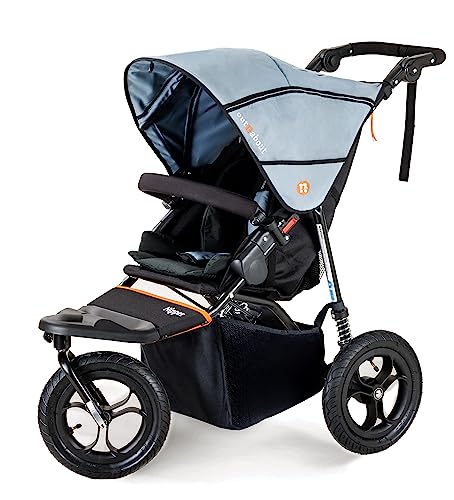
twin pushchairs, likewise referred to as strollers, are more versatile and appropriate for older infants and toddlers. They typically have a seat that can be changed to numerous reclining positions but is not entirely flat. Pushchairs often include a more upright seating position, making them perfect for allowing kids to stay up and explore their environments.
Key Differences Between Prams and Pushchairs
| Function | Prams | Pushchairs |
|---|---|---|
| Design | Fully reclining seat | Adjustable reclining seat |
| Age Suitability | Newborns to around 6 months | From 6 months onward |
| Weight | Generally much heavier | Typically lighter |
| Mobility | Bulkier and less portable | More compact and much easier to fold |
| Accessories | Typically consist of a carrycot | Normally come with a tray, cup holder, etc. |
| Terrain Compatibility | Created for smooth surface areas | Suitable for different surfaces |
| Security Features | May include a five-point harness | Frequently equipped with extra safety features, like brakes |
Benefits of Prams
Comfort for Newborns: The flat, reclining design supplies a safe and comfortable area for very young babies to rest, promoting healthy back development.
Aesthetic Appeal: Prams often come with a timeless and classy style, making them a stylish option for new parents.
Defense from the Elements: Many prams are geared up with hoods and weather covers that shield babies from rain, sun, and wind.
Quality Materials: Prams are normally made from sturdy materials that offer sturdiness, guaranteeing they can hold up against the wear and tear of day-to-day use.
Advantages of Pushchairs
Versatility: Pushchairs are developed for a more comprehensive age variety, making them ideal for growing children. They are adaptable and can frequently accommodate numerous seating positions.
Light-weight and Portable: Most pushchairs are more light-weight and easier to navigate, making them perfect for city environments and mass transit.
Convenience: Pushchairs frequently have hassle-free storage baskets and pockets for easy access to baby essentials and individual products.
Easier Folding Mechanisms: Many pushchairs included one-handed folding systems, allowing moms and dads to collapse them quickly for transportation or storage.
Selecting the Right Option: Factors to Consider
When choosing in between a pram and a pushchair, several aspects enter into play:
Lifestyle: Consider your day-to-day routine. If you walk often on smooth pavements, a pram might be perfect. However, if you're often on the go or using public transportation, a lightweight pushchair might be preferable.
Area and Storage: Evaluate your living circumstance. If space is limited, a compact pushchair might be the better option.
Budget plan: Prams can often be more costly due to their specialized design. Consider your budget and whether it permits for either choice.
Sturdiness: Think about how long you prepare to use the item. Pushchairs can accommodate children who are older, potentially offering more value for cash in time.
FAQs About Prams and Pushchairs
1. Can I utilize a pushchair for a newborn?
While a lot of pushchairs are appropriate for babies from around 6 months, some designs have a totally reclining seat or a compatible carrycot option, allowing moms and dads to utilize them from birth.
2. Are prams heavier than pushchairs?
Typically, prams are heavier due to their more robust building and construction and design for newborns, while pushchairs are generally designed to be lighter and more portable.
3. How do I preserve my pram or pushchair?
Routine cleansing of the fabrics, checking the wheels, and examining the frame for any damage are essential maintenance practices. Always refer to the maker's guidelines for specific care directions.
4. Can I take my pram or pushchair onto public transportation?
Many public transportation systems permit prams and pushchairs, but it's constantly best to inspect local regulations. Light-weight pushchairs are frequently chosen due to their ease of folding and maneuverability.
5. What security functions should I try to find?
Look for a durable frame, a five-point harness, a protected braking system, and additional safety features like reflective trim for presence.
Picking between a pram uk push chairs and prams a pushchair is a significant decision for new moms and dads. Understanding the crucial distinctions, advantages, and factors to consider will empower parents to make the very best choice for their lifestyle and their baby's requirements. With careful idea and planning, the best pram or Pushchair Sale can make trips with the child enjoyable and worry-free. Just like any purchase, it's important to try out various choices, speak with reviews, and seek suggestions to find the perfect suitable for both the baby and the moms and dad.