
Strange Facts About Crypto Mixers
페이지 정보
본문
Not all blockchain explorers are built the same, and choosing the wrong one for the chain you are checking is the single most common mistake users make. A transaction hash from Ethereum will never appear in an explorer that only indexes BNB Smart Chain, no matter how familiar the interface looks . The first principle of comparison is therefore network matching: confirm which chain the transaction actually used, then open the explorer built for that chain. Only after that does it make sense to compare depth, tooling, and usability.
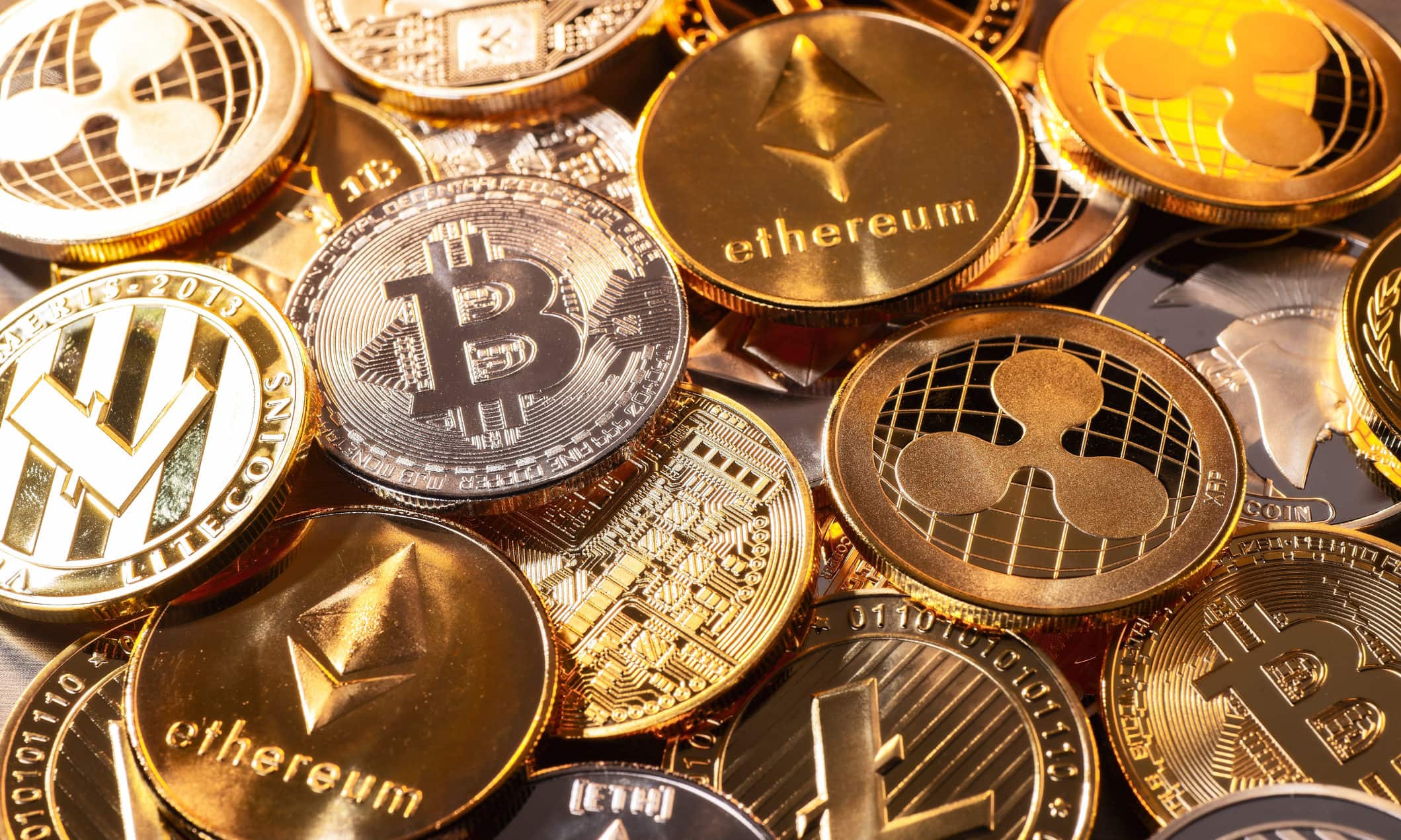 Etherscan and BscScan are close cousins, both built on the same underlying explorer family and offering deep tools for tokens, contracts, and addresses . When verifying an ERC-20 transfer or a contract on Ethereum, Etherscan is the default entry point, with pages that show transaction status, token movements, gas costs, and verified source code in a consistent layout . BscScan handles the equivalent tasks for BEP-20 tokens and contracts on BNB Smart Chain, and users familiar with one will recognize the other immediately . The catch is that both are chain-specific: neither will help you read a Bitcoin transaction or a Solana signature.
Blockchain Explorer serves a different purpose, focusing primarily on Bitcoin with a simpler interface oriented toward UTXO-based transaction reading . It serves well as a basic entry point for confirming BTC payments and checking address history, but it lacks the contract-level depth that EVM users expect . To see Bitcoin fee conditions before broadcasting, dedicated tools like mempool offer more granular data than general-purpose explorers .
Non-EVM networks demand separate explorers entirely. Solana users typically reach for Solscan as the everyday default, with full coverage of SPL tokens, NFTs, and DeFi positions, while Helius Orb offers AI-generated plain-English transaction explanations and faster archival queries . Cardanoscan handles UTXO and staking visibility of simply click the up coming website page Cardano network, and TronScan covers resource economics on TRON . Expecting a Solana signature to appear in Etherscan is not a minor inconvenience; it is a category error.
When your activity spans multiple chains, single-chain explorers stop being sufficient and multi-chain aggregators become useful. Blockchair covers 42 to 48 networks with a privacy-respecting search model, while OKLink supports over 170 networks with institutional AML and compliance tooling . DeBank serves DeFi portfolio tracking across more than 100 EVM chains, and Nansen or Arkham provide labeled wallet attribution that turns raw hashes into named entities . These aggregators do not replace chain-specific explorers when you need precise context, but they save time when you are scanning broadly.
Depth of tooling is the next comparison dimension. On Etherscan, a token page shows supply, holders, and transfer history, and a verified contract page exposes readable functions and event logs . This matters for anyone evaluating a token: checking the contract address on the official token page is how you distinguish a legitimate asset from a copycat with the same ticker . Ethereum failed transactions often display a reason string, which is far more useful than a wallet's generic error message .
Confirmation and finality timing varies by chain, and explorers reflect those differences. Ethereum transactions are usually included in a block within seconds but reach finality after roughly 12.8 minutes, while Solana confirms in roughly 400 milliseconds per slot . A useful explorer makes these stages readable, showing not just whether a transaction succeeded but whether it is irreversible yet.
API access is the third consideration. Developers often rely on each explorer's API for programmatic checks, and rate limits, endpoint structures, and data freshness vary between providers . If you need automated verification, the API quality of an explorer may matter more than its web interface.
The conclusion is not that one explorer is best. Rather, the right tool depends on the chain, and comparing explorers only makes sense once that constraint is fixed. Bookmark a Bitcoin explorer for BTC, an Etherscan-family tool for EVM activity, a Solana-specific tool for SPL tokens, and a multi-chain aggregator for cross-chain overviews. Verifying the network indicator before entering a TXID will save more time than any feature comparison ever could.
Etherscan and BscScan are close cousins, both built on the same underlying explorer family and offering deep tools for tokens, contracts, and addresses . When verifying an ERC-20 transfer or a contract on Ethereum, Etherscan is the default entry point, with pages that show transaction status, token movements, gas costs, and verified source code in a consistent layout . BscScan handles the equivalent tasks for BEP-20 tokens and contracts on BNB Smart Chain, and users familiar with one will recognize the other immediately . The catch is that both are chain-specific: neither will help you read a Bitcoin transaction or a Solana signature.Blockchain Explorer serves a different purpose, focusing primarily on Bitcoin with a simpler interface oriented toward UTXO-based transaction reading . It serves well as a basic entry point for confirming BTC payments and checking address history, but it lacks the contract-level depth that EVM users expect . To see Bitcoin fee conditions before broadcasting, dedicated tools like mempool offer more granular data than general-purpose explorers .
Non-EVM networks demand separate explorers entirely. Solana users typically reach for Solscan as the everyday default, with full coverage of SPL tokens, NFTs, and DeFi positions, while Helius Orb offers AI-generated plain-English transaction explanations and faster archival queries . Cardanoscan handles UTXO and staking visibility of simply click the up coming website page Cardano network, and TronScan covers resource economics on TRON . Expecting a Solana signature to appear in Etherscan is not a minor inconvenience; it is a category error.
When your activity spans multiple chains, single-chain explorers stop being sufficient and multi-chain aggregators become useful. Blockchair covers 42 to 48 networks with a privacy-respecting search model, while OKLink supports over 170 networks with institutional AML and compliance tooling . DeBank serves DeFi portfolio tracking across more than 100 EVM chains, and Nansen or Arkham provide labeled wallet attribution that turns raw hashes into named entities . These aggregators do not replace chain-specific explorers when you need precise context, but they save time when you are scanning broadly.
Depth of tooling is the next comparison dimension. On Etherscan, a token page shows supply, holders, and transfer history, and a verified contract page exposes readable functions and event logs . This matters for anyone evaluating a token: checking the contract address on the official token page is how you distinguish a legitimate asset from a copycat with the same ticker . Ethereum failed transactions often display a reason string, which is far more useful than a wallet's generic error message .
Confirmation and finality timing varies by chain, and explorers reflect those differences. Ethereum transactions are usually included in a block within seconds but reach finality after roughly 12.8 minutes, while Solana confirms in roughly 400 milliseconds per slot . A useful explorer makes these stages readable, showing not just whether a transaction succeeded but whether it is irreversible yet.
API access is the third consideration. Developers often rely on each explorer's API for programmatic checks, and rate limits, endpoint structures, and data freshness vary between providers . If you need automated verification, the API quality of an explorer may matter more than its web interface.
The conclusion is not that one explorer is best. Rather, the right tool depends on the chain, and comparing explorers only makes sense once that constraint is fixed. Bookmark a Bitcoin explorer for BTC, an Etherscan-family tool for EVM activity, a Solana-specific tool for SPL tokens, and a multi-chain aggregator for cross-chain overviews. Verifying the network indicator before entering a TXID will save more time than any feature comparison ever could.
- 이전글광주 파워약국 부작용 걱정 없이 관리해본 파워이렉트 후기 26.11.06
- 다음글울산 럭스비아 시알리스 부작용 때문에 힘들었는데, 파워이렉트로 달라진 변화 26.11.06